
Truth Against Procedure
An Officer and a SpyThis thread traces how evidentiary standards, secrecy, and repeated judicial proceedings shape the conflict between factual truth and institutional legality.
increasing Bearing strength in each event
 decreasing
Bearing strength in each eventdecreasingHandwriting as Proof

Handwriting as Proof
An uncertain comparison
Experts disagree over whether the bordereau matches Alfred Dreyfus’s hand. The prosecution elevates resemblance into a decisive claim despite substantial disagreement.
Certainty manufactured
The military court’s preference for confident technical testimony hides the uncertainty beneath it. A contested comparison becomes an institutional fact because the process rewards closure.
Evidence Behind Closed Doors
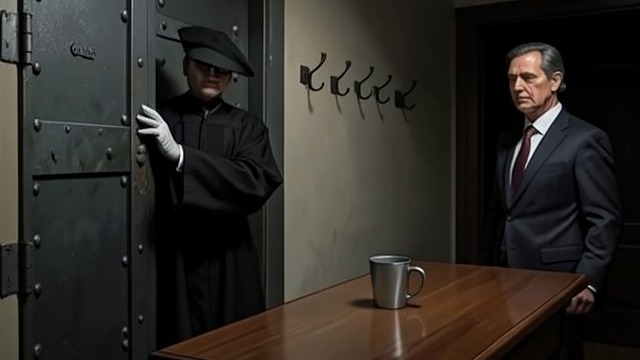
Evidence Behind Closed Doors
The defense excluded
The judges receive the Dreyfus secret file without allowing the accused or his counsel to inspect it. The prosecution’s strongest claims therefore escape adversarial examination.
Procedure undermines legitimacy
Even if officials believe secrecy protects national defense, the hidden evidence deprives the verdict of a fair test. The conflict between security and justice becomes the case’s central procedural failure.
The File’s Weakness

The File’s Weakness
Picquart examines the record
Georges Picquart finds that the secret dossier contains circumstantial claims and misleading fragments, not direct proof of Dreyfus’s guilt. He realizes senior officials have overestimated its contents.
Res judicata invoked
Charles-Arthur Gonse tells him that the case is already judged and cannot be reopened. Legal finality is used not as a conclusion from sound evidence but as a shield against reconsideration.
Trial as Performance
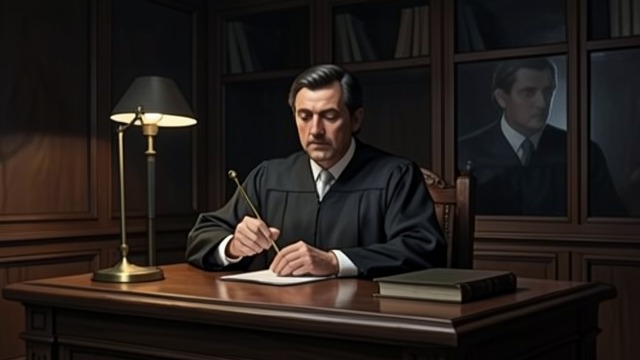
Trial as Performance
The inquiry turns outward
During the Zola trial, Picquart testifies about Esterhazy and the evidence against him. The courtroom becomes a public stage where the state’s version can be challenged.
Exposure remains bounded
The proceedings reveal key inconsistencies but remain constrained by rules intended to keep Dreyfus’s case out of focus. Public truth emerges unevenly through legal openings.
Review at Last
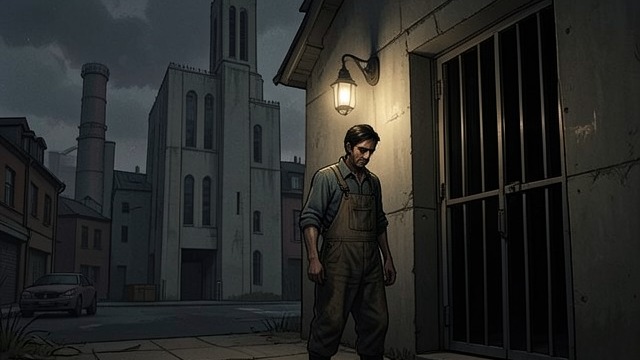
Review at Last
Evidence reconsidered
The André Inquiry and Court of Cassation revisit evidence that earlier proceedings had insulated from challenge. Each stage adds institutional review to facts already known to Picquart.
Legality catches up
The final exoneration shows that procedure can correct injustice, but only after years of delay and public pressure. The slow process does not erase the cost of its lateness.
October–December 1894
December 1894
1896
January 1898
1903–1906
